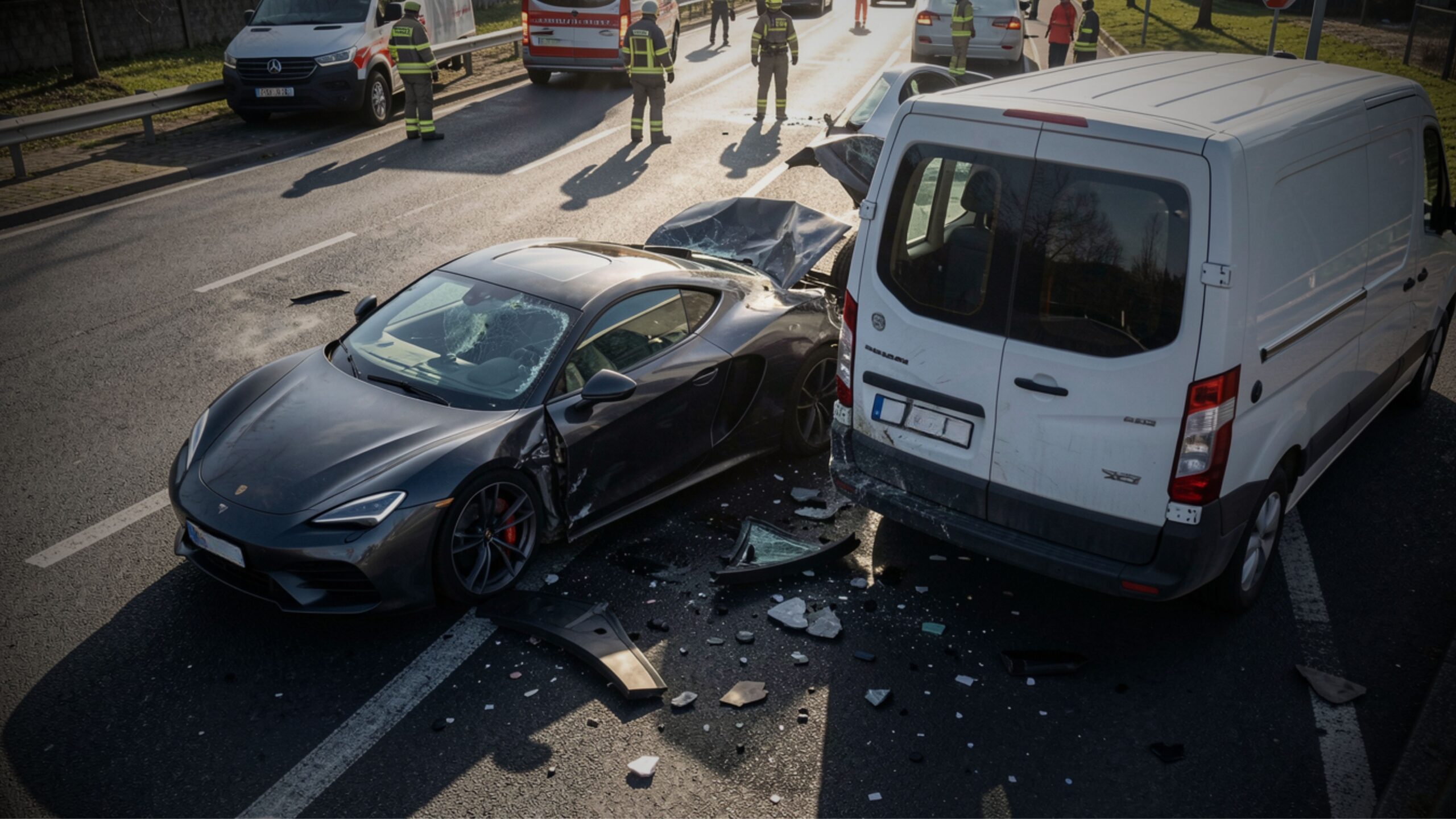
Claims inflation has been the word on many peoples lips for a few years now. But while we often focus on the price of a loaf of bread or a monthly energy bill, there is a quieter, more complex inflationary pressure moving through the motor insurance industry.
To help demystify why premiums are shifting and what the future holds, our partner ERS has shared exclusive data and insights into the drivers of claims inflation. Despite general inflation (CPI) sitting at 3.0%, the cost of settling motor insurance claims is currently rising at double that rate.
While private car premiums have recently seen a dip due to lower claim frequencies, the tide is expected to turn. Forecasts suggest the UK motor market may return to losses in 2026 as premiums struggle to keep pace with the rising costs of repairs, parts and personal injury care.
Below is a summary of the key drivers ERS has identified for 2026 and how they impact the insurance landscape.
The Cost of Complexity: Repairs & Supply Chains
Modern vehicles are essentially computers on wheels and that sophistication comes with a price tag.
- The ADAS Factor: Features like lane assist and emergency braking (Advanced Driver Assistance Systems) make cars safer but significantly more expensive to fix. Damage claims now account for 65% of all claims inflation.
- The EV Transition: Electric Vehicles (EVs) are roughly 25% more expensive to repair than traditional petrol or diesel cars. As they become a larger slice of the market, they naturally push up average claim costs.
- Labour & Parts: In 2026, labour rates are expected to rise by 4.1%, while the cost of parts is projected to jump by 8–10%, driven by geopolitical volatility and supply chain shifts.
The Second-Hand Surge
With the current claims inflation, the used car market remains incredibly resilient. Because of production disruptions during the pandemic, there is a shortage of 3-to-5-year-old vehicles. This scarcity, combined with economic uncertainty, has kept second-hand prices high, particularly for cars aged 10–15 years, which are now 8% more expensive than last year. High vehicle values mean that total loss settlements cost insurers more, which ultimately feeds back into premium pricing.
Damage & Repairs
Advanced Driver Assistance Systems, which include features such as adaptive cruise control, lane assist and emergency braking, increase the complexity of vehicles and continue to elevate repair costs. A 2025 Financial Conduct Authority review found that 65% of claims inflation between 2019 and 2023 was driven by damage claims. The key factors were extended repair times, increasing vehicle complexity and cost, and rising labour rates. These pressures are expected to persist, with manufacturers’ costs remaining elevated due to ongoing supply chain disruption, heightened cyber risk and continued uncertainty around EV sales target policy. Labour rates will increase by 4.1% in 2026 reflecting higher wages and increased employer national insurance contributions (“ENIC”). In addition to an increase in labour costs, we expect parts inflation to increase by circa 8-10% as it has done in prior years. The cost of parts remains exposed to geopolitical events, with price volatility a foreseeable consequence of potential trade wars. Both Electric and Hybrid vehicles are c25% more expensive to repair than traditional ICE vehicles. The proliferation of EVs mentioned earlier will inevitably add to repair inflation.
Windscreens
Glass costs rose in 2025 due to energy and material cost inflation. ADAS calibration requirements continue to add cost with an increasing number of cameras and sensors fitted close to the windscreen. Inflation is predicted to run at c6% in 2026.
Credit Hire
Rates increased by 6% in 2025 and are predicted to increase again as part of the ERS claims annual rate review exercise in Q2 2026. The length of car hire remains c10% above pre-pandemic levels with an elongation of repair periods due to the complexity of vehicles and the change in parts distribution methods in recent years.
Personal Injury & Care Costs
While government reforms have successfully reduced the frequency of low-value whiplash claims, other areas are seeing significant increases:
- Serious Injury Care: For high-value claims involving life-changing injuries, the cost of professional care is rising 5% above the rate of inflation.
- Legal & Medical Updates: New judicial guidelines expected in Q2 2026 are likely to see injury awards increase by approximately 8%.
- Fraud Prevention: Motor fraud rose by 5% recently. In times of financial stress, opportunistic fraud tends to increase, making a “zero-tolerance” approach more vital than ever to protect honest policyholders.

Looking Ahead to 2026
Overall, ERS expects claims inflation to run between 6% and 8% through 2026. While new technologies like automated vehicles are being trialled on UK roads, they aren’t expected to impact the inflation landscape in the immediate 12 months. The focus remains on managing the “extraordinary inflation” caused by global trade tensions and the dominance of specific markets in EV battery materials.
How You Can Help Lower Costs
Insurance is a collective effort. By taking a few proactive steps, customers can help insurers manage costs and, by extension, keep premiums fairer for everyone:
- Report Promptly: Notifying us of a claim immediately allows for better cost management and a smoother repair process.
- Use Approved Repairs: Choosing our recommended repair solutions ensures quality and cost-efficiency.
- Dash Cams & Evidence: Installing a dash cam provides vital evidence that can speed up claims and identify fraudulent activity instantly.
Table of Contents
