A recent LinkedIn post sparked a classic debate across the business and motoring communities. The poster set his sights on sourcing a classic Land Rover through a restoration expert, intending to put an iconic British workhorse as his company vehicle.
It’s an undeniably magnetic idea. Pulling up to client meetings, site visits, or industry events behind the wheel of a vintage Land Rover makes a brand statement that no anonymous grey fleet saloon can ever match. It radiates heritage, rugged authenticity, and impeccable taste.
As the automotive industry evolves, the rise of electric classic cars is becoming a notable trend, merging vintage allure with modern sustainability. Smaller, forward-thinking businesses are increasingly adopting these Electric icons for their company vehicles to elevate brand presence, effortlessly blending nostalgia with eco-friendly innovation.
Yet anyone who has lived with an original Series or early Defender knows the practical business reality: cold morning starting drama, mechanical upkeep, heavy steering, and increasingly restrictive low-emission zones (ULEZ and Clean Air Zones across the UK).
Which raises an essential question for forward-looking directors: is an electric recreation or EV-converted classic the ultimate answer for a modern company vehicle?
The Executive Dilemma: Heritage vs. Day-to-Day Practicality
Using an original petrol or diesel classic as an active company car comes with hurdles
- Emissions & City Access: Strict Clean Air Zones penalise older internal combustion engines unless registered historic under specific exemptions, complicating everyday urban operations.
- Turnkey Reliability: A fleet vehicle cannot spend crucial workdays laid up waiting on carburettor tune-ups or chasing oil leaks.
- Company Car Tax & ESG: Conventional classics offer none of the favourable corporate tax incentives designed to reward zero-emission choices, nor do they align with corporate carbon reduction goals.

This friction is precisely why electric recreations and bespoke EV platforms have exploded in popularity. By swapping an ageing combustion powertrain for electric propulsion, you retain the silhouette and tactile presence while gaining instant torque, zero tailpipe emissions, and turnkey reliability.
The Modern Alternative: Purpose-Built EV Recreations
When considering electrified retro motoring for business, companies have two main routes: retrofitting an existing chassis or investing in an engineered electric recreation.
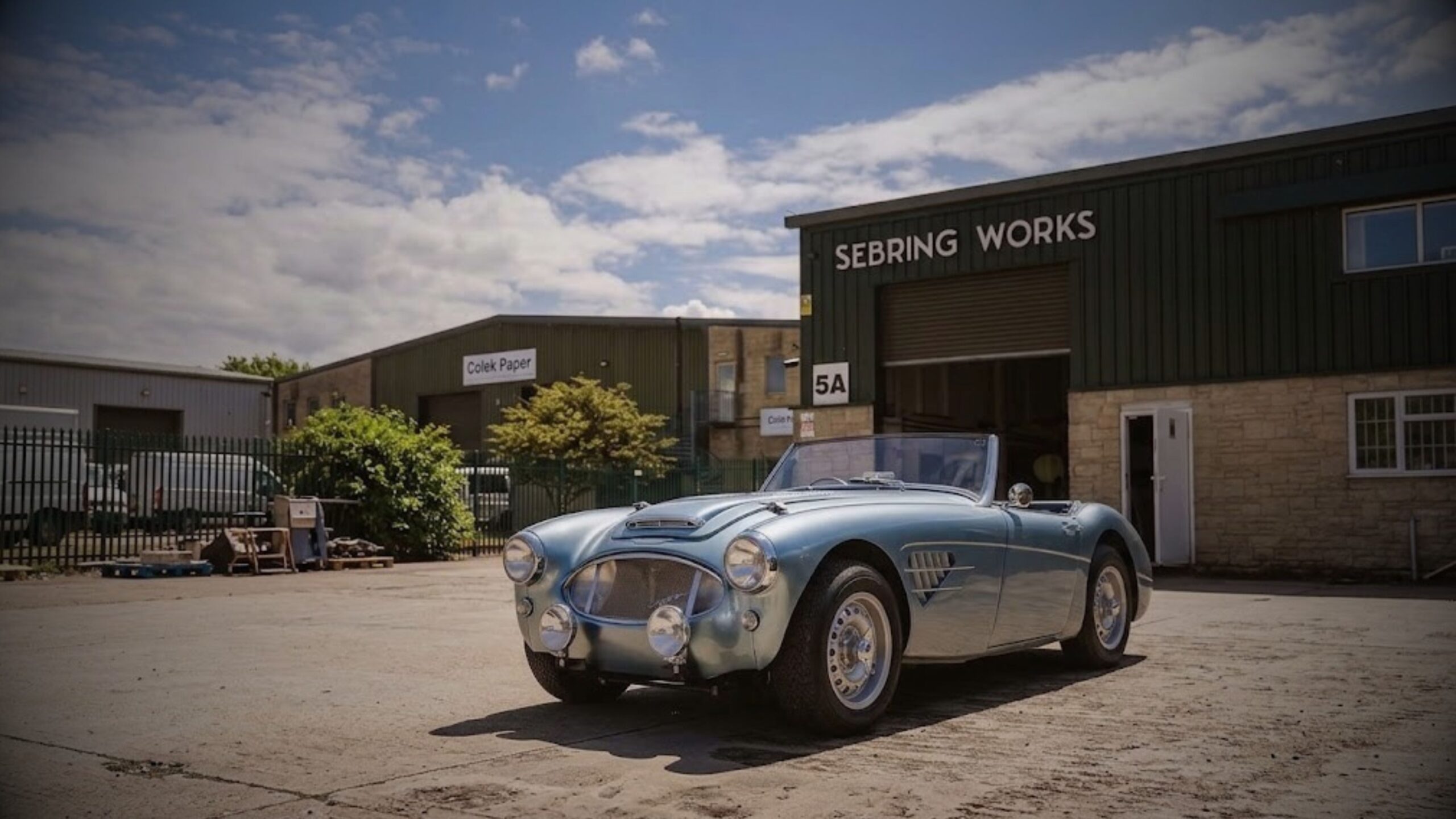
A standout pioneer redefining this space is Sebring Design. Based in the Cotswolds, Sebring hand-builds electric, retro-inspired sports cars utilising their proprietary Sebring Performance Platform. Rather than simply shoehorning batteries into an old drivetrain, Sebring builds precision-engineered machines that capture the spirit of 1950s and 1960s motoring with contemporary engineering, bespoke craftsmanship, and effortless electric drivability.
While a restored classic delivers utility and heritage, Sebring demonstrates the broader potential of retro-EV design:
Turnkey Corporate Identity: Hand-built vehicles stand out sharply in an executive car park, giving an organisation an unmistakable visual signature without compromising environmental ethics.
Zero Cold-Start Drama: Simply push the button and go.
Effortless Driving Dynamics: No heavy clutches or finicky gearboxes in rush-hour traffic, just linear power and low-maintenance running gear.
Weighing the Options for Your Fleet
| Factor | Original ICE Classic (e.g. Vintage Land Rover) | Electric Restomod / EV Recreation |
| Brand Impact & Character | Timeless, rugged, nostalgic | Forward-thinking, head-turning, sustainable |
| Fleet Reliability | Requires mechanical sympathy & regular servicing | Modern electrical powertrain, minimal moving parts |
| Low-Emission Access | Variable by zone and historic vehicle status | Full, penalty-free access to all city centres |
| Tax & BIK Incentives | High or complex tax treatment | Favourable Benefit-in-Kind (BIK) rates for zero-emission vehicles |
| Daily Usability | Heavy controls, cabin noise, vintage braking | Regenerative braking, automatic direct drive, smooth commuting |
The Verdict
Any person’s ambition to put a classic on the company ledger strikes at something modern fleets desperately lack: personality.
If the vehicle’s primary job is rural estate work, occasional promotional runs, or celebrating vintage British engineering, an authentic restoration from an outfit like Suffolk Classic Services remains unbeatable in pure nostalgic charm.
However, if that vehicle needs to navigate modern commuter traffic, enter city centres without penalty, and stand as a proof point for a progressive, sustainable business, an electric recreation is the superior business tool. Builders like Sebring Design prove that you never have to sacrifice timeless design on the altar of modern efficiency. With the right specialist partners and tailored cover in place, you truly can have the romance of the past with the dependability of the future.
Protecting the Vision: Tailored Insurance for Bespoke Builds
Embarking on a custom build, or adding a hand-crafted electric recreation to your business fleet, introduces a unique challenge: standard corporate fleet and off-the-shelf insurance policies simply do not understand custom electric architecture or agreed vehicle valuations.
If you decide to recreate a motoring icon powered by electricity, specialist protection is vital. VINTTRO Cover offers bespoke specialist vehicle insurance tailored specifically for niche, modified, and recreation vehicles. From agreed valuations that reflect the true craft and development cost of an electric conversion to flexible business and lifestyle usage terms, VINTTRO Cover ensures your investment, company assets, and road trips are comprehensively protected from day one.
Table of Contents
VINTTRO Cover is a trading style of Sona Insurance Solutions Ltd. VINTTRO Limited is an Appointed Representative of Sona Insurance Solutions Limited who is authorised and regulated by the FCA under reference number 927990.
